Research


Requirements
Aliquam hendrerit a augue insu image pellentes que id erat quis sollicitud null mattis Ipsum is simply dummy typesetting industry. Alienum phaedrum torquatos nec eu, vis detraxit periculis ex, nihil expetendis in meifn pericula euripidis.
- Nsectetur cing do not elit.
- Suspe ndisse suscipit sagittis in leo.
- Entum estibulum dignissim lipsm posuere.
What we already know: The Global Survey
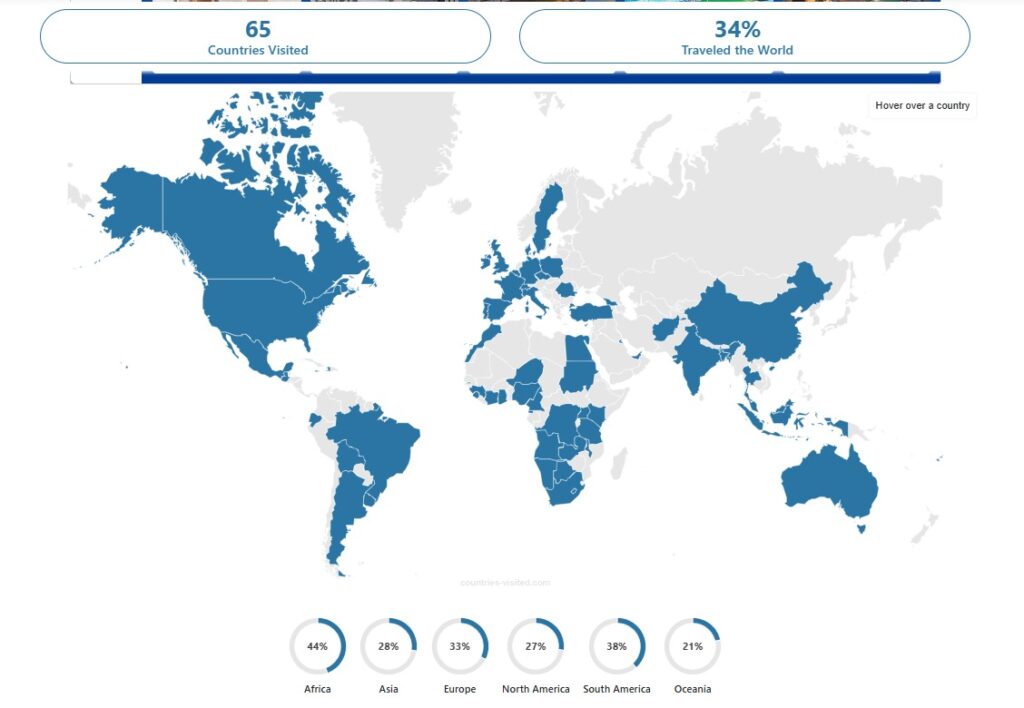
79 countries. 1,173 responses. The picture is stark.
- In low-income settings, 67% of clinicians rely on clinical judgement alone with no standardised protocol to guide them
- Creatinine testing, the basic tool for diagnosing AKI, is unavailable in 42% of low-income facilities
- Nephrology follow-up is available to 76% of patients in high-income settings. In low-income settings: 20%
- Midwives and nurses, the clinicians most likely to be in the room, had low PrAKI knowledge across every setting
- Across all income groups, the top ask was the same: better guidelines, hands-on training and decision-support tools
Our Research Priorities
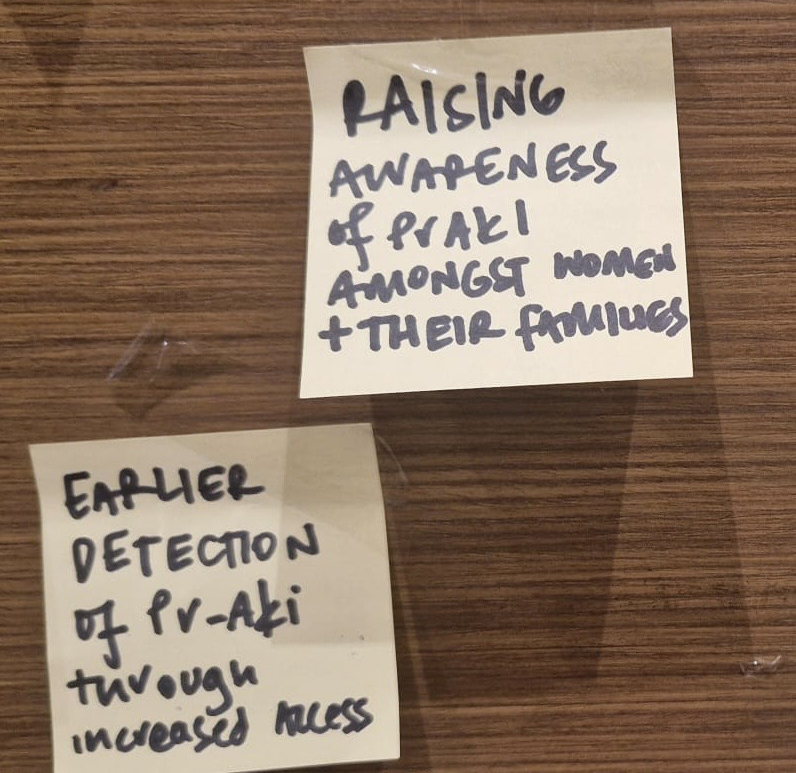
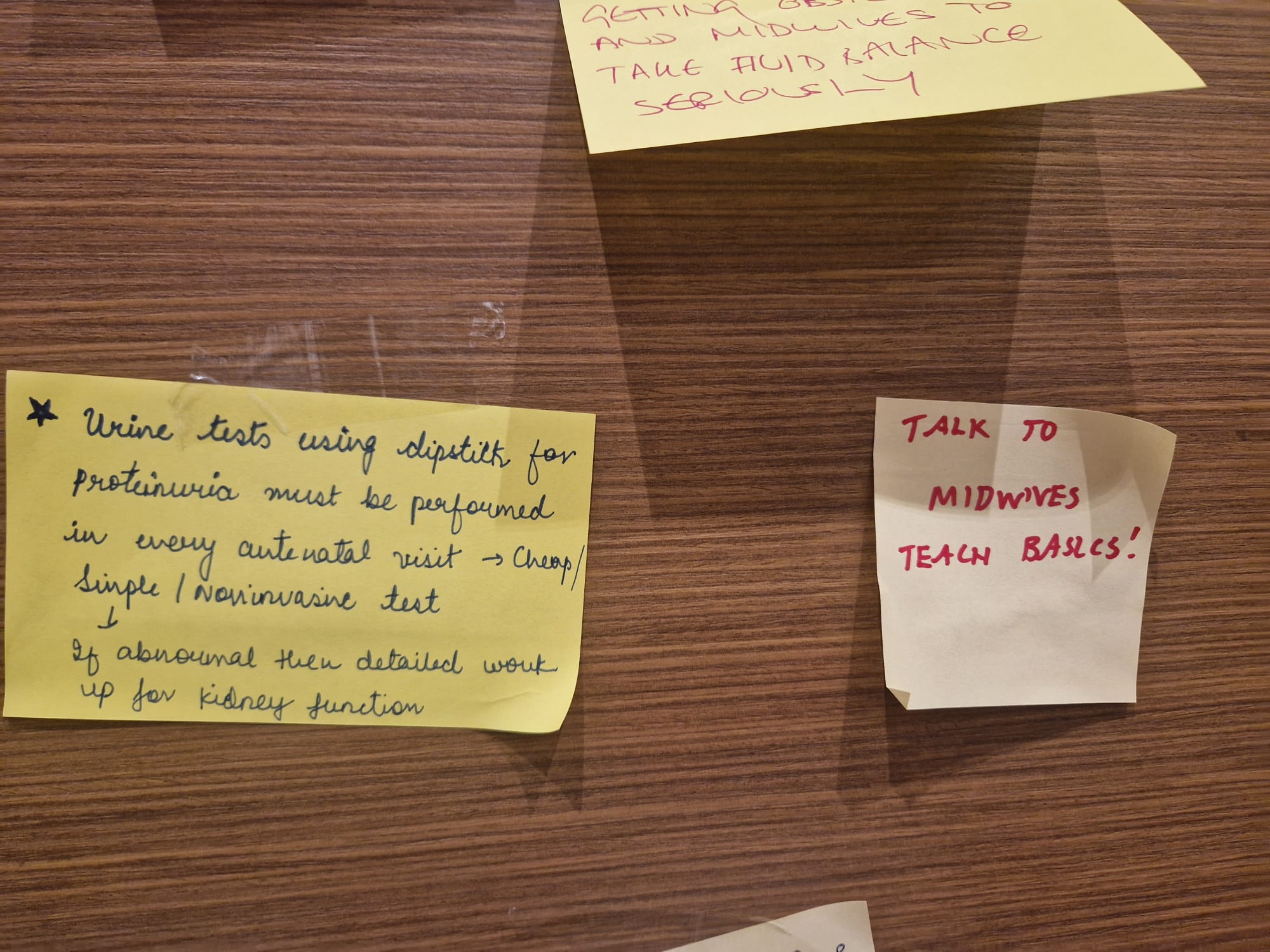
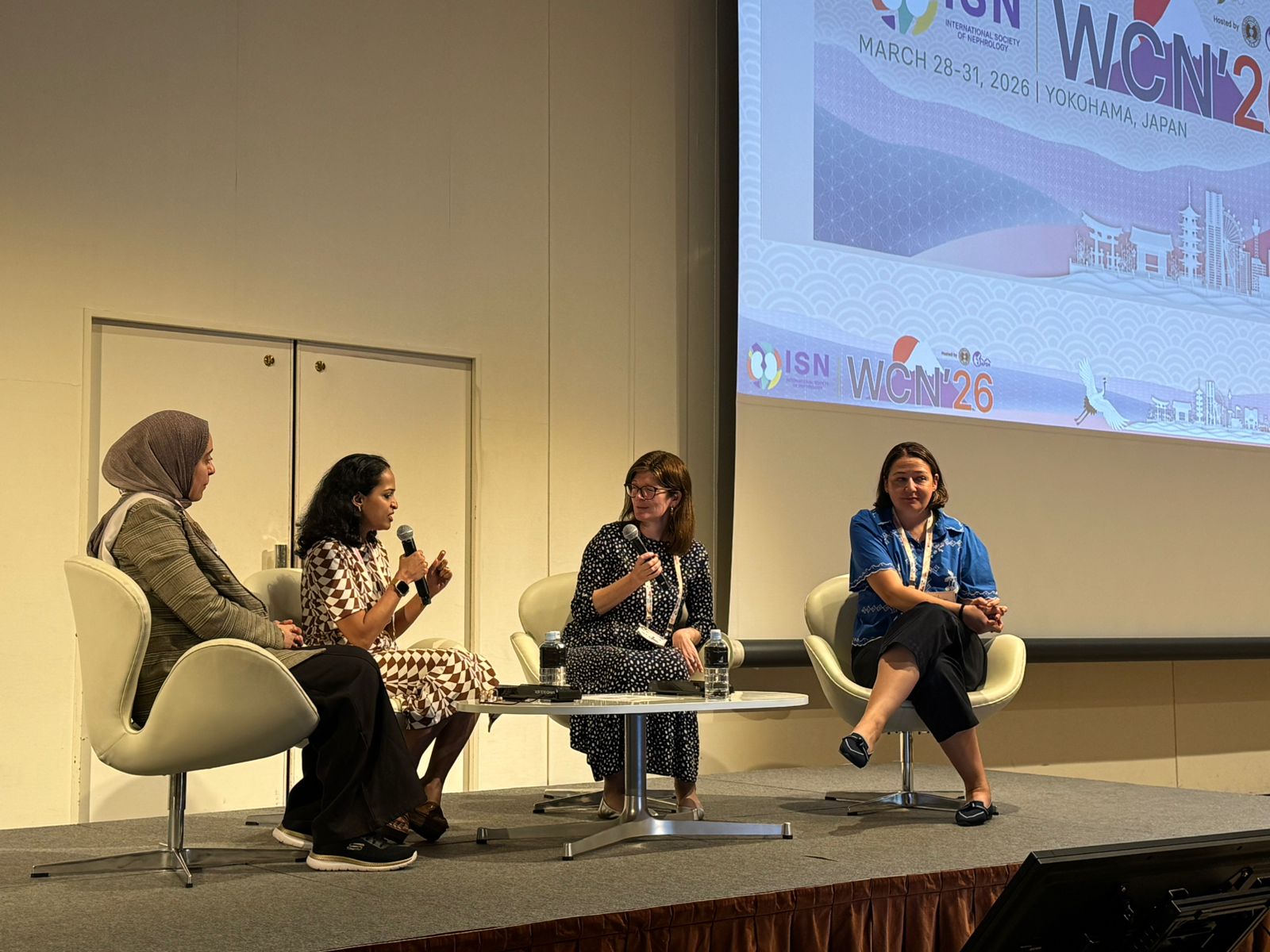
At our inaugural meeting in Nairobi in July 2025, 41 participants from 14 countries mapped the most urgent research needs in PrAKI against WHO's six health system building blocks. Six priority areas emerged:
- Earlier recognition — pregnancy-specific renal physiology, point-of-care creatinine testing and risk-prediction tools.
- Safer management — clearer blood pressure targets and fluid strategies in hypertensive disorders and obstetric emergencies.
- Robust information systems — quantifying burden, disentangling causality with adverse pregnancy outcomes, and following mothers and infants longitudinally.
- Workforce capability — curriculum integration, standardised protocols and competency-based training.
- Service integration — embedding kidney testing within routine maternity pathways and reducing diagnostic delay through community-level awareness.
- Economic case — building the evidence for extended postnatal follow-up and long-term kidney health investment.
A modified Delphi process is underway to further refine these priorities and guide Consortium research activity.
What We Are Working On
• Community approaches to improve antenatal and postnatal care
• Fluid balance strategies in maternity settings
• CKD prevention following PrAKI
• Novel intrapartum care approaches to reduce PrAKI events and impact
• Point-of-care ultrasound (PoCUS) in PrAKI management
Partners in Innovation
Phase two of the Global Snapshot will use point-of-care devices in partnership with Eaglenos and Microlife bringing diagnostics to settings where laboratory testing is unavailable.


Too many mothers are dying from a condition that is preventable, under-measured and under-researched. The Global PrAKI Consortium exists to close that gap with rigorous, global, equity-focused research that turns evidence into action.